
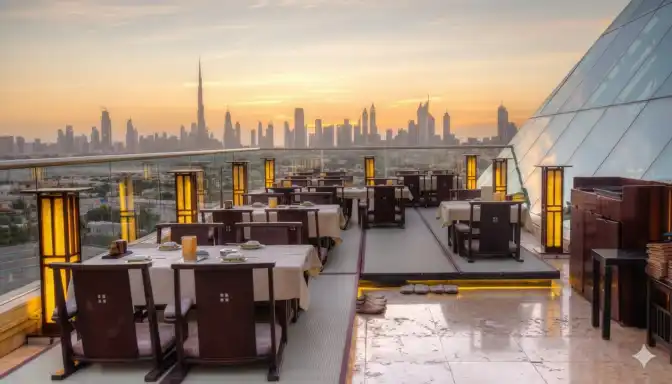
Opening a restaurant in Dubai can be a rewarding business venture. The city has a thriving food and hospitality market, attracting locals, tourists, and expatriates who love dining out. However, starting a restaurant requires careful planning, proper licensing, and an understanding of costs.
In this guide, we explain how to open a restaurant in Dubai, step by step, including costs, approvals, and tips to make your restaurant profitable.
Is Opening a Restaurant in Dubai Profitable?
Dubai’s restaurant industry continues to grow. With a population that frequently dines out and a booming tourism sector, demand for diverse food concepts is high. From fine dining to casual cafés, the city offers many opportunities for restaurant entrepreneurs.
Recent trends show that niche cuisines, health-conscious menus, chef-led concepts, and experiential dining are gaining popularity. Delivery-focused restaurants and cloud kitchens are also emerging, allowing new entrepreneurs to enter the market with lower initial costs.
However, competition is intense. Profitability depends on:
- Location: Prime areas attract more customers but cost more.
- Operational efficiency: Managing food costs, staffing, and utilities is key.
- Concept alignment: Restaurants that match consumer trends perform better.
Careful planning of your menu, pricing, and licensing structure will increase your chances of opening a successful and profitable restaurant in Dubai.
Steps to Open a Restaurant in Dubai
Here is a detailed step-by-step process to start your restaurant business in Dubai:
1. Choose the Right Jurisdiction
The first step is deciding whether to set up your restaurant in the mainland or a free zone.
Feature | Free Zones | Mainland |
Regulatory Authority | Free Zone Authority | Department of Economy and Tourism |
Ownership | 100% Foreign Ownership | 100% Foreign Ownership |
Expansion | Limited expansion outside the free zone | Can open multiple branches across Dubai and UAE |
Best for | Cloud kitchens, catering units, or F&B production | Physical dine-in restaurants, cafés, or outlets |
If you plan a physical restaurant where customers can walk in, the mainland is usually the best choice. Free zones are suitable for delivery-only restaurants, catering units, or food production facilities. Keep in mind, free zone restaurants cannot directly serve mainland customers without extra approvals.
2. Select Your Business Activity
Next, define the type of restaurant you want to operate. Your trade license must match your business activity. Options include:
- Full-service restaurants with dine-in, takeaway, and catering
- Cafés or coffee shops serving beverages, snacks, and light meals
- Specialty outlets such as bakeries, dessert bars, juice shops, or ethnic cuisine restaurants
- Delivery-focused restaurants using in-house or third-party platforms
- Cloud kitchens or “dark kitchens” without dine-in facilities
- Franchise restaurants offering global or regional food brands
Clearly defining your restaurant type will make the licensing process smoother.
3. Apply for a Trade License
A commercial trade license is mandatory to operate a restaurant in Dubai.
- Submit your business plan to the regulatory authority for approval.
- Mainland licenses typically take longer than free zone licenses to process.
Once approved, you can move on to other critical permits.
Learn more about Corporate Structuring Services to choose the right setup for your restaurant.
4. Obtain Food Safety & Municipality Approvals
Dubai Municipality ensures that restaurants comply with strict food safety and hygiene standards.
You must:
- Submit your restaurant layout and kitchen design for review
- Ensure proper food preparation areas, storage, ventilation, and waste management
- Complete food safety training for you and your staff
- Obtain Menu and Food Handling certifications
Municipality inspections are mandatory before opening. Failing to meet standards can delay your launch.
5. Get Civil Defense & EHS Approvals
Before opening, your restaurant must meet fire safety and environmental standards:
- Civil Defense approval: Confirms fire alarms, extinguishers, emergency exits, and kitchen ventilation meet regulations.
- Environmental Health and Safety (EHS) approval: Ensures waste management, grease trap handling, and overall cleanliness.
Additional permits may be required for alcohol service, shisha cafés, or outdoor seating, depending on your restaurant concept.
6. Process Residency Visas
After obtaining your trade license and approvals, you can sponsor:
- Your investor visa
- Employee visas
- Dependent visas (based on eligibility)
Proper visa management ensures smooth staffing and compliance with UAE labor laws.
7. Open a Corporate Bank Account
A corporate bank account is essential to manage payments, suppliers, and operational expenses.
- Banks may classify F&B businesses as moderate risk due to high transaction volumes.
- Documents required include a trade license, food safety approval, a lease agreement, a business plan, and sometimes a menu and supplier contracts.
- Register for Corporate Tax within three months of incorporation. VAT registration may also apply, depending on turnover.
Cost of Opening a Restaurant in Dubai
Opening a restaurant in Dubai requires significant investment. Costs vary depending on size, location, and concept. On average, expenses range from AED 200,000 to over AED 2 million.
Here is a detailed cost breakdown:
Category | Item | Estimated Cost | Payment Frequency |
Legal & Licensing | Trade license | AED 12,000 – 30,000 | Annual |
Food & Restaurant License | AED 8,000 – 15,000 | Annual |
|
Approval fees | AED 1,000 – 10,000 | One-time |
|
Ejari (Tenancy Registration) | AED 200 – 500 | Per contract |
|
Real Estate | Annual Rent (Mid-tier to Prime) | AED 60,000 – 500,000+ | Annual |
Security Deposit | 5% – 10% of annual rent | One-time |
|
Interiors | Interior fit-out & design | AED 150,000 – 700,000 | One-time |
Kitchen Equipment & Furniture | AED 50,000 – 500,000 | One-time |
|
Fire Safety & HVAC Systems | AED 10,000 – 50,000 | One-time |
|
Staffing | Staff visas & medical | AED 5,000 – 7,000 | Every 2 years |
Staff Salaries | AED 25,000 – 80,000 | Monthly |
|
Operations | Initial food & beverage inventory | AED 20,000 – 100,000 | One-time |
POS, Billing & CCTV | AED 8,000 – 25,000 | One-time |
|
Utilities | AED 5,000 – 15,000 | Monthly |
|
Marketing | Branding, website, social media | AED 5,000 – 20,000 | One-time |
Monthly Marketing & Ads | AED 3,000 – 20,000 | Monthly |
|
Tip: Plan your budget carefully. Some expenses, like interior fit-out and kitchen equipment, can vary greatly depending on your concept.
Our Accounting & Bookkeeping Services help restaurant owners control costs and stay compliant.
Tips to Make Your Restaurant Successful in Dubai
- Choose the right location: Areas with high foot traffic or near business districts can increase visibility.
- Focus on your concept: Restaurants with clear concepts perform better. Specialty cafés, ethnic cuisine, and delivery-first models are trending.
- Manage costs efficiently: Keep track of food wastage, staff scheduling, and utility usage.
- Marketing matters: Use social media, influencer collaborations, and local advertising to attract customers.
- Compliance is key: Meeting all regulatory approvals avoids fines and operational delays.
Starting a restaurant in Dubai is an exciting opportunity, but it requires careful planning, proper licensing, and strategic execution. By choosing the right location, defining a clear concept, managing costs, and complying with all approvals, entrepreneurs can build a profitable and sustainable food business. Whether you are opening a dine-in restaurant, café, or cloud kitchen, following these steps will help you navigate Dubai’s dynamic F&B market with confidence and set your restaurant up for long-term success.
