
Starting a building materials trading company in Dubai can be a good opportunity for entrepreneurs who want to enter the UAE’s growing construction market. Dubai continues to see new residential buildings, villas, commercial projects, hotels, and infrastructure developments, creating steady demand for construction materials. Although setting up this type of business may seem straightforward, choosing the right business activity, license, location, suppliers, and storage facility is important. A proper setup can help you avoid unnecessary costs and operate your business smoothly. This guide explains the main steps involved in starting a building materials trading company in Dubai in simple and practical terms.
Building Materials Trading Business Opportunities in Dubai
The Growing Demand for Building Materials
Dubai has a large and active construction sector. Contractors, developers, builders, and maintenance companies regularly need materials for new projects and ongoing work. A building materials trading company acts as a link between manufacturers, suppliers, contractors, and other businesses. You can source products locally or internationally and supply them according to your customer’s requirements.
The business can help you:
Supply materials to contractors and developers
Build long-term relationships with suppliers
Meet regular demand from construction projects
Work with local and international manufacturers
Create opportunities for wholesale and distribution
Expand into import and re-export activities
The key is to understand which products have good demand and build a reliable supply network.
What Building Materials Can You Trade in Dubai?
Building materials trading can cover a wide range of products. Your exact trading activities will depend on the license and approvals you obtain.
Common products include:
Cement and concrete products
Steel and metal products
Pipes and fittings
Bricks and blocks
Tiles and flooring
Marble and other stone products
Glass and aluminium products
Electrical materials
Plumbing supplies
Paints and coatings
Wood and related products
Insulation and other construction materials
It is better to decide what you want to sell before applying for your license. This makes it easier to choose the right activity and plan your suppliers, storage, and budget.
Key Requirements to Start a Building Materials Trading Company in Dubai
Choose the Right Building Materials Trading Activity
The first step is selecting the correct business activity. Depending on the products you plan to sell, this could include building materials trading, construction materials trading, hardware trading, or another related activity.
Your license should match the products and services your company will actually provide.
Mainland vs Free Zone for Building Materials Trading
You can set up your company in Dubai Mainland or a Free Zone. Mainland is suitable if you plan to sell directly across the UAE, while Free Zones can be a good option for import, export, and re-export businesses. Your choice should depend on your products, customers, warehouse needs, and future plans.
If you are unsure how to structure the company for your intended activities, Corporate Structuring support can help you evaluate the most suitable setup.
Register Your Building Materials Trading Company Name
Once you decide on the business activity and jurisdiction, you can apply for your trade name. The name should follow the relevant UAE authority's rules and should not conflict with an existing registered name or trademark. Choose a name that is simple, professional, and suitable for your long-term business plans.
Documents Required for Building Materials Trading Company Setup
The documents required can vary depending on the company structure and licensing authority. They may include:
Passport copies
Visa and Emirates ID copies, where applicable
Trade name approval
Application forms
Memorandum of Association, where required
Tenancy or lease documents
Business plan or supporting documents, where required
Having the documents ready can make the application process easier.
How Much Does It Cost to Start a Building Materials Trading Company in Dubai?
Before starting the business, entrepreneurs should consider the different costs involved in company formation and ongoing operations. These can include the trade license, office or warehouse rent, visas, professional fees, inventory, transportation, customs-related expenses, and working capital.
The total cost can vary depending on the selected business activity, jurisdiction, premises, number of visas, products being traded, and operational requirements. It is therefore important to prepare a detailed budget before establishing the company.
Warehouse Requirements for Building Materials Trading in Dubai
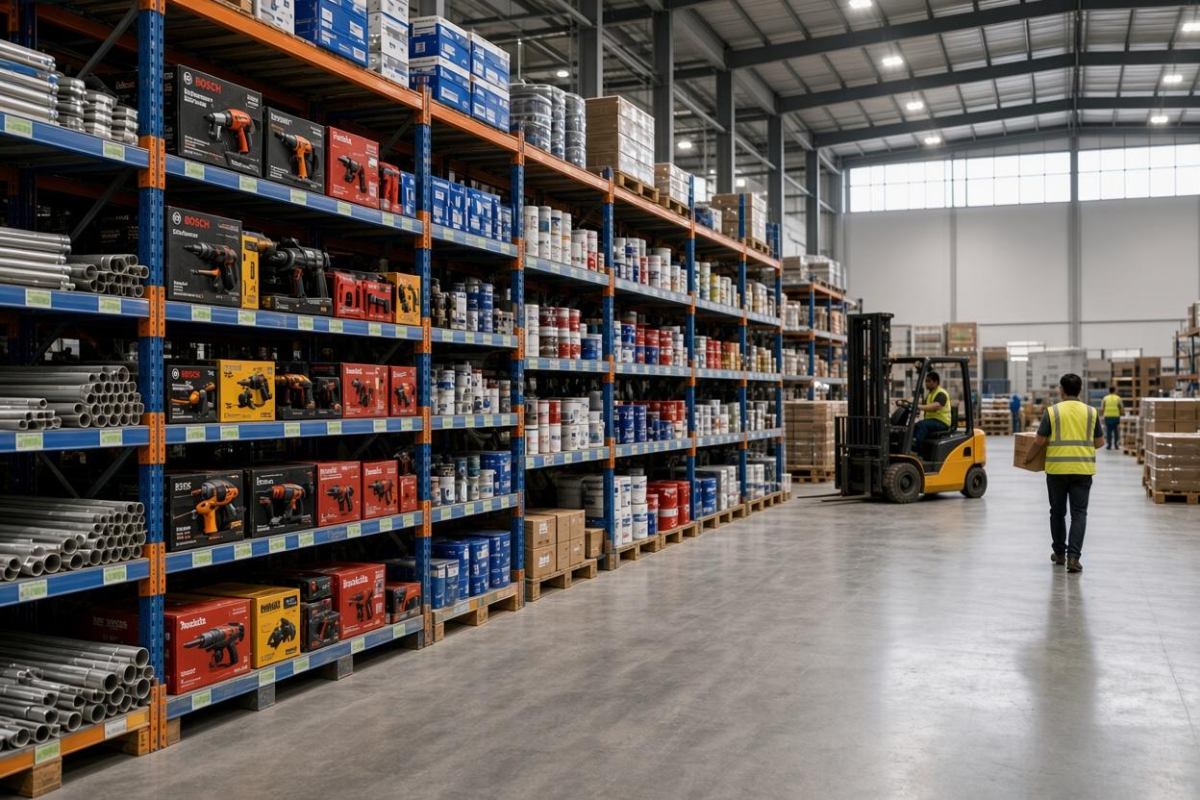
Storage is one of the most important parts of a building materials trading business. Materials such as cement, steel, tiles, pipes, wood, and other products can require significant space. Depending on what you trade, you may need a warehouse, storage yard, loading area, and suitable safety arrangements. Your warehouse should also be convenient for deliveries and accessible to trucks and other commercial vehicles. Before renting a facility, check that it is suitable for your business activity and meets the requirements of the relevant authorities.
If you also need a suitable business premises, an Office Space Solution can help you identify an office arrangement that fits your operational requirements.
How to Find Reliable Building Materials Suppliers in Dubai
Your suppliers can have a major impact on the success of your business. You may source materials from UAE-based suppliers, manufacturers in other countries, or regional distributors. Compare prices, quality, delivery times, payment terms, and minimum order quantities before signing agreements. Reliable suppliers can help you maintain stock and deliver materials on time, which is especially important when working with contractors who have strict project schedules.
For businesses involved in importing or supplying materials internationally, Trade Financial Services can also support the financial side of cross-border trade.
How to Choose Building Materials to Trade
When selecting products, consider factors such as market demand, supplier availability, product quality, storage requirements, transportation costs, competition, minimum order quantities, and potential profit margins.
Choosing products based on both customer demand and operational requirements can help you build a more sustainable trading business.
Importing Building Materials Into Dubai
Businesses that plan to import building materials should understand the relevant customs, import, shipping, documentation, and product-specific requirements before placing international orders.
You should also consider transportation, customs-related costs, storage arrangements, and delivery timelines when calculating the overall cost of imported materials.
How to Set Up a Building Materials Trading Company in Dubai: 10 Steps
Step 1: Choose the Building Materials You Will Trade
Start by identifying the materials you want to sell and the type of customers you want to serve.
Step 2: Choose Mainland or Free Zone
Decide whether Dubai Mainland or a Free Zone is more suitable for your business model.
Step 3: Select the Correct Trading Activity
Choose the activity that covers the materials and trading operations you plan to carry out.
Step 4: Reserve Your Trade Name
Submit your preferred company name to the relevant authority and obtain approval.
Step 5: Apply for a Dubai Trade License
Submit the required documents and complete the licensing process.
Step 6: Arrange an Office or Warehouse
Depending on your business requirements, secure the appropriate office, warehouse, or storage facility.
Businesses that need assistance with government applications and related documentation can also consider professional PRO & Visa Services.
Step 7: Open a Corporate Bank Account
After obtaining your license, you can apply for a business bank account. The bank may ask for company documents, information about your business activities, expected transactions, and supporting documents.
You can also explore professional support for opening a Corporate Bank Account in the UAE to help streamline your business banking setup.
Step 8: Complete Customs Registration for Imports and Exports
If you plan to import or export materials, you will need to complete the relevant customs registration and procedures.
Step 9: Build Your Supplier and Customer Network
Start connecting with manufacturers, distributors, contractors, developers, retailers, and other potential customers.
Step 10: Start Trading and Maintain UAE Compliance
Once everything is in place, you can begin your trading activities while keeping your license, accounting records, tax obligations, and other regulatory requirements up to date.
If your business has UAE VAT obligations, professional VAT Consultancy can help you understand registration, compliance, and filing requirements.
Common Mistakes When Starting a Building Materials Trading Company
New business owners sometimes focus only on getting the license and forget about the operational side of the business.
Some common mistakes include:
Choosing the wrong business activity
Renting an unsuitable warehouse
Underestimating storage and delivery costs
Working with unreliable suppliers
Failing to check import and customs requirements
Setting prices without calculating all business costs
Keeping poor financial records
Not planning cash flow properly
A little planning at the beginning can help prevent expensive problems later.
Professional Commercial Financial Services can also help businesses plan their financial requirements and manage their commercial operations more effectively.
Who Are the Main Customers for Building Materials Trading Companies?
Building materials trading companies can serve a range of business customers, including contractors, developers, construction companies, retailers, maintenance companies, and other businesses involved in construction and property development.
Understanding your target customers can help you select suitable products, suppliers, pricing strategies, and delivery arrangements.
Why Start a Building Materials Trading Business in Dubai?
Dubai's construction market creates demand for a wide range of building materials. A well-managed trading company can build long-term relationships with contractors, developers, retailers, and other businesses. Success, however, depends on more than simply having a trade license. Competitive pricing, product quality, reliable delivery, good supplier relationships, and strong customer service all matter.
If you choose the right products and understand your market, you can gradually build a strong customer base and expand your business.
How Biz Growth Consultancy Can Help With Your Dubai Business Setup
Biz Growth Consultancy can assist entrepreneurs with the business setup process, from choosing the appropriate activity and jurisdiction to preparing documents and completing the licensing process. The team can also guide you on office and warehouse requirements, customs registration, bank account support, and other setup-related requirements.
Having professional guidance can make the process easier and help you avoid common mistakes when establishing your building materials trading company in Dubai.
Conclusion: Starting a Building Materials Trading Company in Dubai
Starting a building materials trading company in Dubai can give entrepreneurs access to a large and active construction market. The opportunity is promising, but the business needs proper planning from the beginning. Choosing the right activity, selecting the right jurisdiction, arranging suitable storage, finding reliable suppliers, and understanding import and compliance requirements can make a big difference. With the right setup and a clear business plan, you can build a trading company that is ready to serve Dubai's construction sector and grow over time.
FAQs About Building Materials Trading Company Setup in Dubai
Do I need a warehouse for a building materials trading company?
It depends on your products and business model. Many building materials require suitable storage, so warehouse requirements should be checked before starting.
Can I import building materials into Dubai?
Yes. Businesses involved in importing materials must complete the relevant customs and import procedures.
Is Mainland better than a Free Zone?
Neither is automatically better. Mainland can be suitable for direct UAE market activities, while some Free Zones may be better suited to import, export, and re-export businesses.
Can I trade different types of building materials?
Yes, provided your license activities cover the products you plan to trade.
Do I need a business bank account?
Yes. A corporate bank account is important for receiving customer payments and managing company expenses.
Can I open a building materials trading company with a warehouse?
Yes, subject to the requirements of the relevant licensing authority and the suitability of the warehouse.
Do contractors check supplier credibility?
Yes. Contractors and developers often look at product quality, pricing, delivery reliability, and the supplier's ability to meet project requirements.
How much does it cost to start a building materials trading company in Dubai?
The cost depends on factors such as the business activity, jurisdiction, license, office or warehouse requirements, visas, inventory, professional fees, and working capital. A detailed cost assessment should be prepared based on the specific business model.
What license do I need for building materials trading in Dubai?
The appropriate license and business activity depend on the products you intend to trade and the jurisdiction in which you establish the company. The selected activity should cover the intended trading operations.