Starting a textile trading business in Dubai can be a good opportunity for entrepreneurs interested in buying, selling, importing, and exporting fabrics, garments, and other textile products. Dubai's trading network, established ports, and access to international markets make it a practical base for businesses looking to supply customers across the UAE and other countries. However, setting up a textile trading company involves more than obtaining a trade license. You need to choose the right business activity, decide where to register your company, arrange suppliers and storage facilities, and understand the customs and tax requirements. This guide explains the main steps involved in starting a textile trading business in Dubai, from choosing your license to managing daily operations.
Understand Textile Trading Activities and Products in Dubai
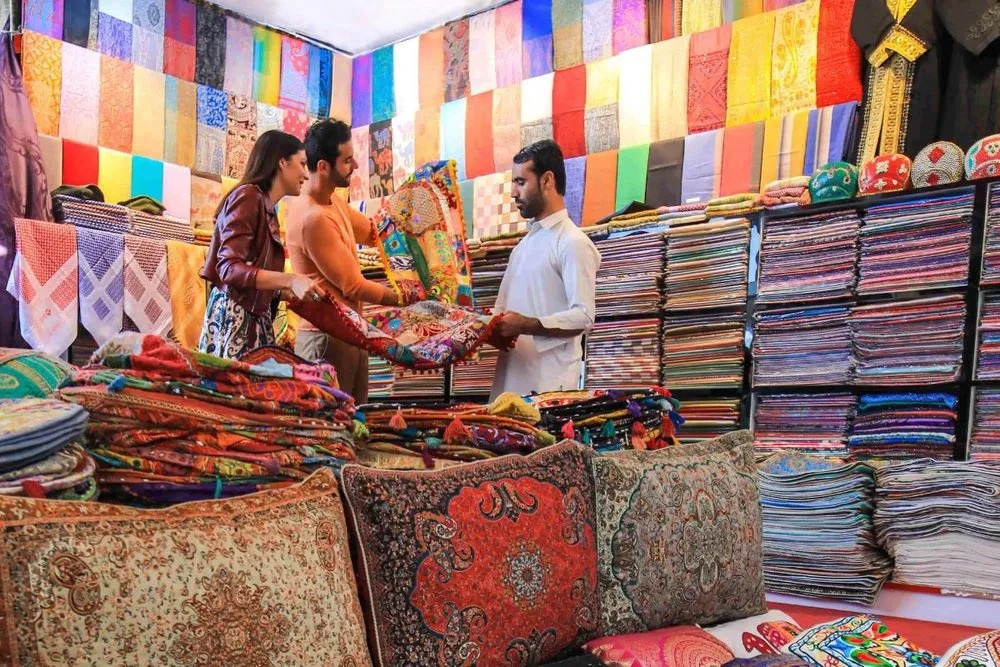
Before starting the registration process, decide which textile products you want to buy and sell. Your business could focus on fabric, cotton, synthetic materials, yarn, embroidery materials, home textiles, or ready-made garments. You may also want to supply wholesalers, clothing retailers, manufacturers, or individual customers. Having a clear product range will help you select the correct business activities and understand the type of customers you want to reach.
It is important to distinguish between textile trading and textile manufacturing. Trading involves purchasing finished products or materials and selling them to other businesses or customers. Manufacturing involves producing or processing fabrics and garments, which may require an industrial license and additional approvals. If you plan to trade both fabrics and finished clothing, check whether separate activities need to be included in your license.
Choose Between Mainland and Free Zone for Textile Trading
Dubai offers mainland and free zone options for textile trading companies. A mainland company may be suitable if you plan to supply fabric shops, clothing retailers, wholesalers, and other customers directly across the UAE. It gives you a suitable structure for businesses focused on local trading and distribution, subject to the approved activities and applicable requirements.
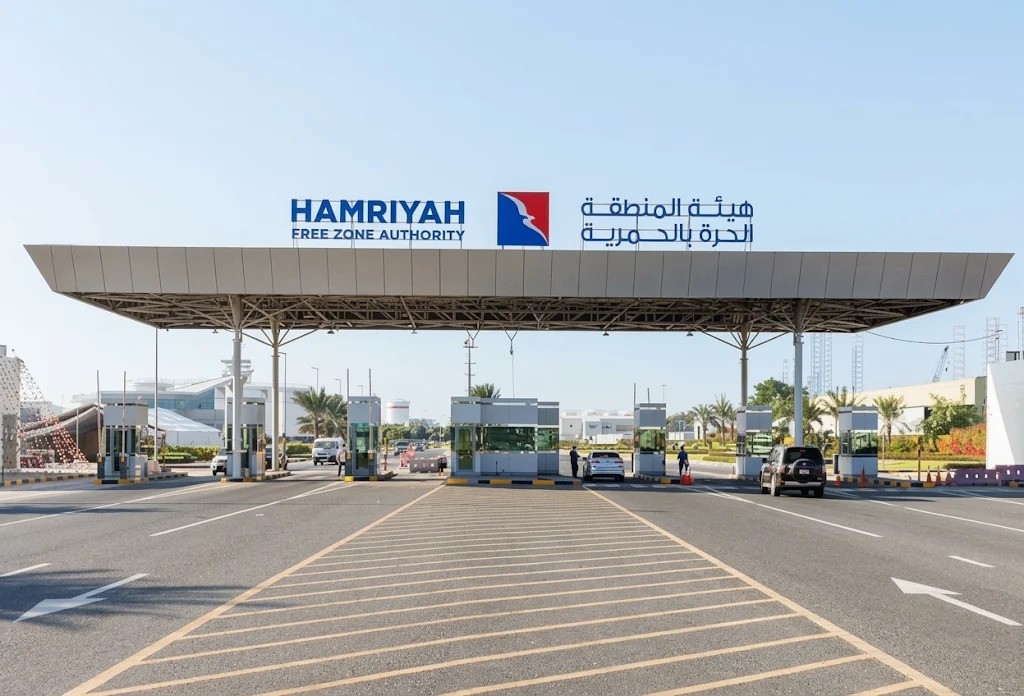
A free zone setup may be more appropriate if your main business involves importing textiles, storing products, and re-exporting them to international markets. Dubai has several free zone options with facilities for trading and logistics businesses. However, free zone companies must follow the applicable rules when selling goods in the UAE mainland. Consider your target customers, shipping arrangements, storage needs, and future expansion plans before choosing a jurisdiction.
How to Get a Textile Trading License in Dubai
Once you have decided on your business model, identify the correct commercial activity for your company. The license must cover the products you intend to trade. For example, textile trading generally covers fabrics, yarn, and related materials, while garment trading covers finished clothing. If you plan to sell both, check whether both activities need to be included.
The licensing process usually starts with selecting a suitable business activity, reserving a trade name and applying for initial approval through the relevant authority. You will then complete the company registration requirements, submit the necessary documents, and pay the applicable fees. Make sure the activities listed on your license match your actual business operations to avoid problems with future transactions, customs procedures, or inspections.
Find Textile Suppliers and Arrange Warehouse Facilities in Dubai
Finding reliable suppliers is important for a textile trading business. Many Dubai-based traders source products from India, China, Bangladesh and Turkey.
Things to consider:
Supplier quality: Compare fabric quality, pricing, order quantities and delivery times. Request samples before placing large orders.
Storage space: Choose a warehouse, commercial storage facility, or suitable free zone space based on your business needs.
Storage conditions: Check rental terms, accessibility, security, and available facilities.
Shipping support: Work with experienced freight forwarders to manage transportation and deliveries.
Understand UAE Customs, Import and Export Requirements
If your business involves importing or exporting textiles, you need to understand the relevant customs procedures. Importers generally need to register with the appropriate customs authority and obtain the necessary importer details before bringing goods into the UAE. Each product must also have the correct Harmonized System (HS) classification, which helps determine its customs treatment and applicable duties.
Prepare the required shipping documents before arranging a shipment. These commonly include commercial invoices, packing lists, bills of lading or airway bills, and certificates of origin where applicable. If you source products from countries that have trade agreements with the UAE, check whether your goods qualify for preferential customs treatment. Keep your documentation organized to make customs clearance and future business transactions easier.
Documents and Costs for Starting a Textile Trading Business
Before submitting your application, prepare the documents requested by your chosen licensing authority. These commonly include:
Passport copies of shareholders and company managers.
UAE visa and Emirates ID copies, where applicable.
Proposed company name and selected business activities.
Company formation documents, where required.
Tenancy agreement or proof of business premises, where applicable.
Additional approvals or supporting documents, depending on the activity.
Costs vary based on your license, visas, office space, and operational needs. Allow for setup, shipping, and storage expenses.
Manage Banking, Tax and Ongoing Compliance
After receiving your trade license, you can proceed with opening a corporate bank account. Banks generally request company documents, ownership information, details about your business activities, and information about expected transactions. Textile traders should be prepared to explain where their products come from, who their suppliers are, and which markets they intend to serve. Bank approval is subject to the bank's own checks and requirements.
You must also understand your UAE tax obligations. VAT registration is generally mandatory when a business's taxable supplies and imports exceed the applicable AED 375,000 threshold, subject to the Federal Tax Authority's rules.
Professional VAT consultancy services in the UAE can help textile trading businesses assess their registration obligations, maintain VAT records, and manage applicable filing requirements.
You should also understand your business's tax position through professional corporate tax services in Dubai, including registration, tax return preparation, and compliance support.
Companies must also assess their corporate tax obligations and maintain proper accounting records. Keep track of purchase invoices, sales, shipping documents, and business expenses, and renew your trade license and other required registrations on time.
How Biz Growth Consultancy Helps Set Up a Textile Trading Company
Starting a textile trading business involves several decisions, from selecting the correct business activity to completing company registration and arranging the required documentation. Choosing an unsuitable license or overlooking customs and compliance requirements can create difficulties once your business starts trading.
Biz Growth Consultancy assists entrepreneurs with company formation, trade license applications, documentation, visa processing, PRO services, and corporate bank account assistance. We also provide accounting, bookkeeping, VAT, and corporate tax support to help businesses manage their ongoing requirements.
Start Your Textile Trading Company in Dubai
Dubai offers access to suppliers, customers, and international trading routes for entrepreneurs interested in the textile industry. However, choosing the right business structure and preparing for the practical requirements are important before starting operations. Understand your product range, compare mainland and free zone options, arrange reliable suppliers, and plan your budget carefully. With the right preparation, you can establish a textile trading company that is ready to serve customers in the UAE and other markets.
FAQs
1. What license is required to start a textile trading business in Dubai?
You generally need a commercial trading license with the appropriate textile trading activity. The exact activity depends on the products you plan to buy and sell.
2. Can foreigners own a textile trading company in Dubai?
Yes. Full foreign ownership is available for many mainland and free zone business activities, subject to the applicable regulations and licensing requirements.
3. Is a free zone or mainland company better for textile trading?
It depends on your business model. Mainland setup may suit direct sales within the UAE, while free zones can be suitable for import, export, and re-export operations.
4. Can I trade fabrics and ready-made garments under one license?
You may need separate textile and garments trading activities. Confirm the permitted activities with the relevant licensing authority before applying.
5. Do I need a warehouse for a textile trading business?
Not every business requires its own warehouse. Your storage arrangements depend on your business activity, product quantities, and licensing authority requirements.
6. Do textile trading companies need to register for VAT?
VAT registration is generally mandatory when taxable supplies and imports exceed the applicable AED 375,000 threshold, subject to UAE VAT regulations.