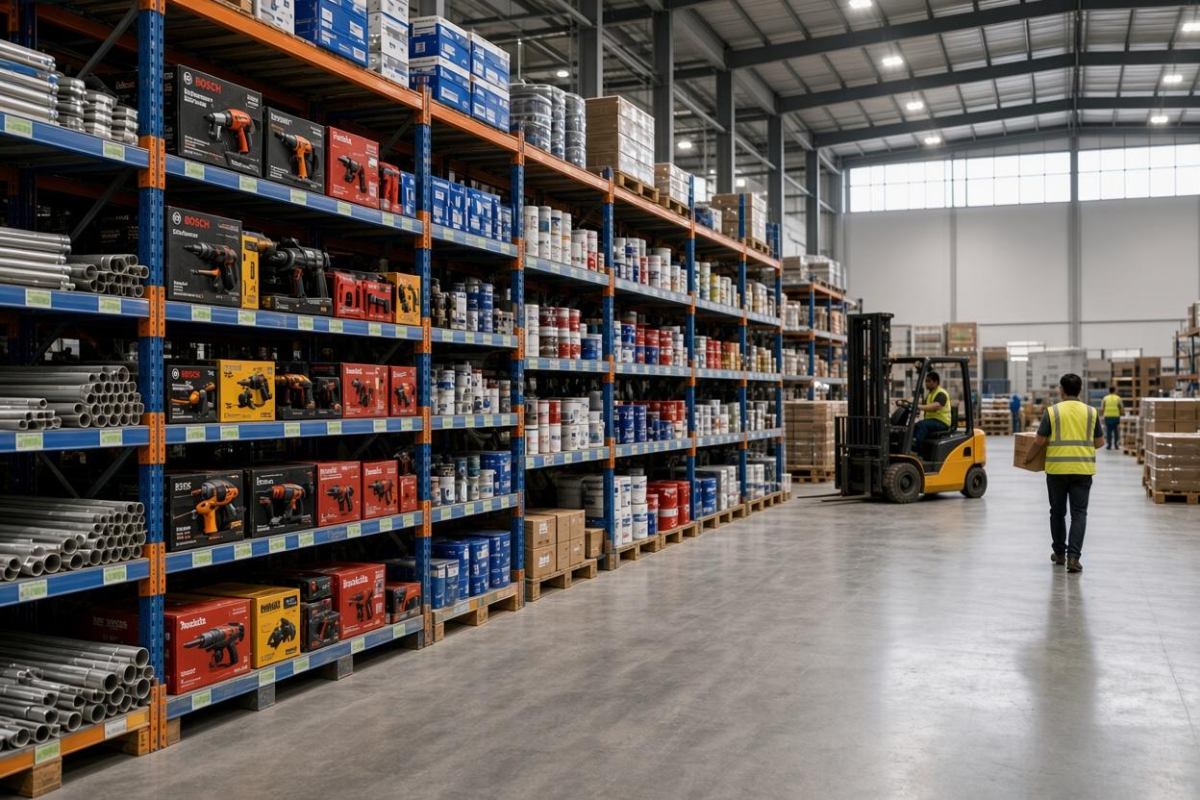
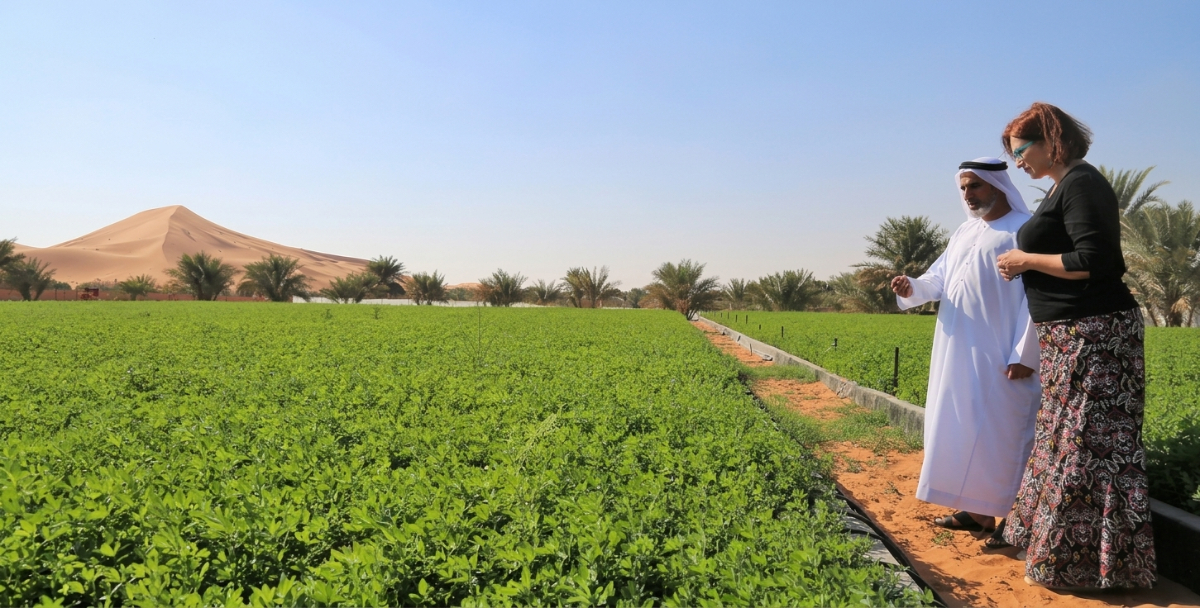
Dubai is an important centre for international trade, with transport links that help businesses move goods between the UAE, Africa, Asia and other markets. This creates opportunities for entrepreneurs interested in agricultural trading, including crops, raw agricultural materials, farming tools, machinery and other agricultural supplies. The UAE's focus on food security and agricultural technology also supports activity across the wider agricultural sector.
Before getting started, you need to decide which products you want to trade, choose the right business activity and understand the licensing requirements. Some agricultural goods also require additional approvals before they can be imported or sold. In this guide, we explain the main steps to start an agricultural trading business in Dubai.
Choose the Right Agricultural Products to Trade in Dubai
Start by choosing the products you plan to buy and sell. You could trade grains, cereals, pulses, oilseeds, animal feed materials, irrigation equipment, farming tools, agricultural machinery or crop protection products. Your choice will affect your licence, storage needs, suppliers and potential customers.
Research your target market to understand demand, competition and pricing. Your customers could include farms, agricultural suppliers, food processors, wholesalers and regional distributors. Starting with a focused product range can help you manage stock and build supplier relationships before expanding into other categories.
Understand Agricultural Trading Licence Requirements in Dubai
Your business licence must cover the agricultural products you intend to trade. Wholesale agricultural raw materials, animal feed, agricultural equipment and pesticides can fall under different business activities. Do not assume that one general trading activity automatically covers every agricultural product.
Check the permitted activities with your chosen licensing authority before applying. If you plan to trade pesticides, fertilisers or other regulated agricultural inputs, confirm whether product registration, import permits or approvals from the relevant authorities are required. Trading goods and manufacturing or processing them may also require different licences.
For regulated agricultural products, confirm the applicable requirements before proceeding with Product Registration services, where relevant to your business activities.
Mainland vs Free Zone: Which Setup Is Best for Agricultural Trading?
A mainland company may suit businesses that want to supply customers directly across the UAE. A free zone company may be suitable for import, export, wholesale and re-export operations, depending on its approved activities and the rules governing sales into the mainland market.
Before choosing, compare the licence fees, office or warehouse requirements, visa options and customs arrangements. Think about where your customers are located and whether you need to store goods in Dubai. The cheapest package may not be the most suitable if it does not support your trading plans.
How to Register an Agricultural Trading Company in Dubai
Once you have chosen the business activity and jurisdiction, you can begin registration. The process generally involves reserving a trade name, obtaining initial approval where required, submitting the necessary documents and paying the applicable fees. Requirements vary between licensing authorities and company structures.
Documents Required to Register an Agricultural Trading Company
You may need to prepare:
Passport copies and shareholder details
Company name and business activity information
Application forms and other requested documents
Office, warehouse or workspace documents, where required
After receiving your trade licence, arrange visas, open a corporate bank account and complete any required customs registration before shipping goods.
Agricultural Trading Business Setup Costs, Storage and Logistics
The cost of starting an agricultural trading business depends on the licence, location, products and scale of operations. A business that sources goods and re-exports them may have different expenses from one that holds large quantities of machinery or agricultural materials in a warehouse.
Key Costs of Starting an Agricultural Trading Business
Your main expenses may include:
Company registration and licence renewal
Office, warehouse or storage rent
Purchasing stock and arranging supplier payments
Shipping, customs clearance and transportation
Product testing, registration or approvals, where applicable
Staff salaries, visas, insurance and accounting
Choose reliable suppliers, check product quality, ensure suitable storage, and keep enough funds for stock, shipping delays and customer payments.
If you need to evaluate financial support options for your trading operations, explore our Commercial Financial Services to learn which solutions may suit your business.
Corporate Banking, UAE Corporate Tax, VAT and Import Compliance
After registration, apply for a corporate bank account. Banks may request your trade licence, company documents, shareholder details and information about your suppliers, customers and expected transactions. Clear records of where your goods come from and where they will be sold can help explain your business model.
Tax, Customs and Agricultural Product Approval Requirements
You should also understand the main compliance requirements:
Corporate Tax: The standard rate is 0% on taxable income up to AED 375,000 and 9% on the portion above that threshold, subject to applicable rules.
Free Zone Tax Benefits: A 0% Corporate Tax rate may apply to qualifying income if the company meets the required conditions.
VAT Registration: Registration is generally mandatory when taxable supplies and imports exceed AED 375,000, subject to UAE VAT rules.
Customs: Importers and exporters must follow applicable customs procedures and provide accurate shipment documents.
Product Approvals: Agricultural pesticides and certain other regulated products may need registration or specific approvals before they can be traded.
Keep invoices and customs records organised, and check product-specific requirements before importing goods.
Agricultural Trading Company Setup Services in Dubai
Starting an agricultural trading business requires the right business activity, suitable licence and proper documentation. Biz Growth Consultancy can help you compare mainland and free zone options, understand the registration process and prepare the documents required for your company setup.
From trade licence assistance to visa services and PRO support, we can guide you through the main steps so you can focus on finding suppliers, developing customer relationships and growing your agricultural trading business.
Start Your Agricultural Trading Business in Dubai
Starting an agricultural trading business in Dubai requires careful planning and a clear understanding of the products you intend to sell. Research your target market, compare setup options and check any additional approvals before committing to suppliers or placing large orders.
Whether you plan to trade crops, farming tools, machinery or agricultural supplies, make sure your licence matches your activities. A suitable setup and well-planned supply chain can help you establish a stronger foundation for your business.
FAQs
1. Do I Need a Licence to Start an Agricultural Trading Business in Dubai?
Yes. You need a business licence covering the agricultural products and trading activities you intend to carry out.
2. Can a Foreigner Own an Agricultural Trading Company in Dubai?
Many mainland and free zone structures allow 100% foreign ownership, subject to the applicable activity and licensing rules.
3. Can I Set Up an Agricultural Trading Business in a Free Zone?
Yes. A free zone may suit import, export and re-export businesses, depending on the licence and rules for supplying the UAE mainland market.
4. How Much Does It Cost to Start an Agricultural Trading Business?
The cost depends on the licence, jurisdiction, visas, storage, stock purchases and shipping arrangements. Obtain a quotation based on your planned activities.
5. What Products Can an Agricultural Trading Company Sell?
Depending on the approved activities, products may include crops, raw agricultural materials, animal feed, farming tools, machinery and irrigation equipment.
6. Do Agricultural Products Require Additional Approvals?
Some products do. Pesticides and other regulated agricultural inputs may require product registration, import permits or approvals from the relevant authorities.
7. Can I Import and Export Agricultural Products from Dubai?
Yes, if your licence permits the activities and you comply with applicable customs and product requirements.
8. Do I Need a Warehouse for Agricultural Trading?
Not always. Your requirements depend on the products, storage conditions and business model. Confirm whether your goods need dedicated storage facilities.
9. Do I Need to Register for VAT?
VAT registration is generally mandatory when taxable supplies and imports exceed AED 375,000, subject to UAE VAT rules.
10. Can I Trade Agricultural Pesticides Under a General Agricultural Trading Licence?
Do not assume so. Pesticides have specific activity and regulatory requirements, so confirm the licence scope and necessary approvals before trading them.