
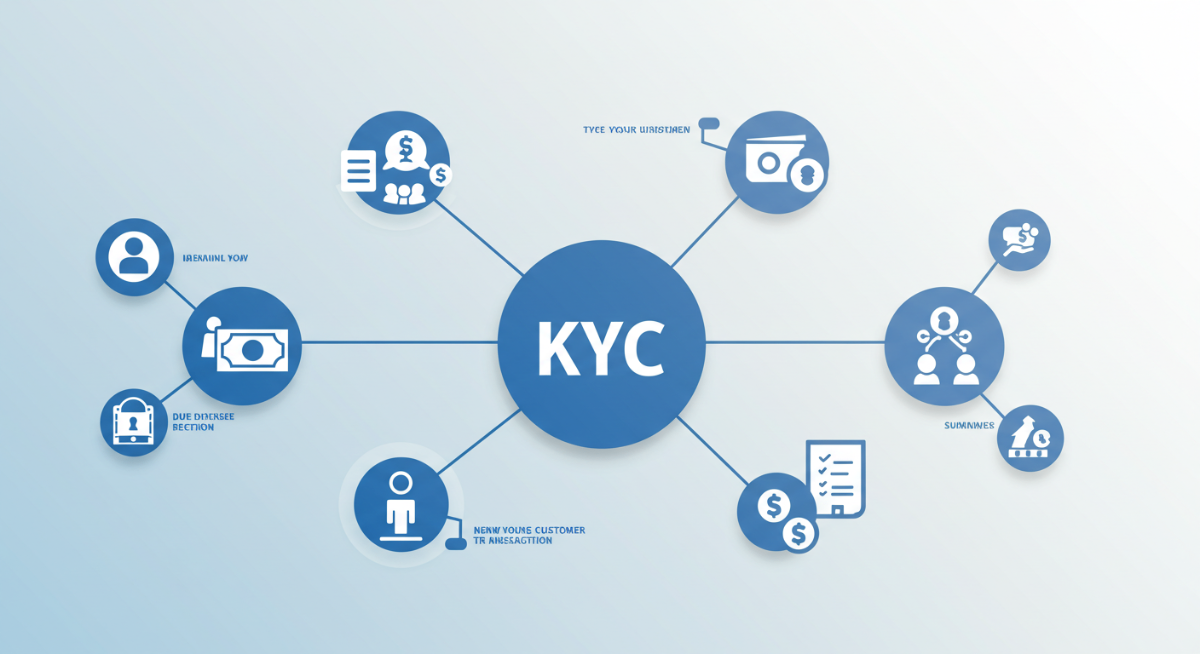
In the UAE, running business is exciting because the country is full of opportunities, new ideas,and fast growth. However, with this growth comes responsibility. Every business must follow certain rules to stay safe, legal, and trusted. One of the most important rules is KYC, which stands for Know your customer
Although KYC may appear complex, it becomes straightforward when explained clearly. This blog provides a well-structured and easy-to-understand overview of KYC rules, helping UAE businesses stay compliant, organised, and fully protected
What Is KYC in the UAE?
KYC means Know Your Customer. It is a process where businesses check and confirm important information about the people they deal with — such as owners, partners, investors, and clients.
KYC helps the UAE government make sure:
Every business is real
Every owner is verified
No illegal activity is happening
Money is coming from safe and legal sources
Business records are accurate
In simple words, KYC is like checking someone’s ID before letting them enter a secure building. It keeps everyone safe.
Why KYC Compliance Matters for UAE Businesses
The UAE is a major global business hub, and strong KYC regulations ensure companies operate safely and transparently. KYC helps prevent money laundering, reduce fraud, protect investors, and maintain accurate corporate records while supporting smooth verification for banks and government authorities.
Without proper KYC compliance, businesses may face penalties, delays, or even license cancellation, making it essential for long-term stability and growth.
When Is KYC Required for UAE Businesses?
KYC is required at many important moments, including:
Opening a new company
Adding or removing shareholders
Opening a bank account
Applying for a loan
Changing business activities
Updating company documents
Transferring shares
Renewing licenses
Working with high-risk clients
Basically, whenever something important changes in the business, KYC checks are needed.
UAE businesses should also prepare their KYC documents carefully when applying for a Corporate Bank Account, as banks typically conduct detailed identity, ownership and source-of-funds checks.
What Does a KYC Check Include in the UAE?
KYC checks are simple and usually include:
1. Identity and Document Verification
Businesses must confirm who the owner or customer really is.
This includes:
Passport
Emirates ID
Visa copy
Personal details
2. Address Verification
Authorities check where the person lives.
This may include:
Utility bills
Tenancy contract
Ejari
3. Source of Funds and Financial Checks
This ensures money comes from legal sources.
It may include:
Bank statements
Salary certificates
Source-of-funds documents
Regular Auditing can also help businesses maintain reliable financial records and identify documentation or control gaps before they create compliance issues.
4. Business Activity and Risk Assessment
Authorities confirm that the business activity is legal and allowed in the UAE.
5. Beneficial Owner Identification and Verification
This identifies who truly controls the company, even if they are not listed publicly.
Businesses with complex ownership arrangements can benefit from professional Corporate Structuring support to ensure ownership and control information is properly organised and documented.
KYC Documents Required in the UAE
Most KYC processes require the following documents:
Passport copy
Emirates ID
Visa page
Recent photo
Proof of address (Ejari or utility bill)
Bank statements
Trade license (for companies)
Memorandum of Association (MoA)
Shareholder list
Source-of-funds declaration
These documents help the government verify identity and ensure everything is legal.
KYC Requirements for Different UAE Business Structures
Different business structures follow slightly different KYC rules.
1. Mainland LLC Companies
All shareholders must complete KYC
MoA must match shareholder details
DET verifies identity and ownership
2. Sole Establishments
KYC is done for the single owner
Owner’s identity must match the license
3. Civil Companies and Professional Licenses
KYC required for partners
Local Service Agent (LSA) details must be verified
4. Free Zone Companies
Each free zone has its own KYC rules
Shareholders must submit identity documents
Some zones require extra compliance checks
UAE KYC Process: Step-by-Step Guide
Here is the KYC process explained in a simple way:
Step 1: Prepare the Required KYC Documents
Gather passports, Emirates IDs, MoA, trade license, and proof of address.
Step 2: Submit Documents for Verification
Send documents to DET, the free zone, or the bank.
Step 3: Complete Identity Verification
Authorities check if the documents match the person’s identity.
Step 4: Complete Risk and Financial Checks
They confirm that the person is legally allowed to own or operate a business.
Step 5: Complete Approval and Record Updates
Once approved, the authority updates the business records.
Step 6: Keep KYC Information Updated
Businesses must keep their KYC information updated regularly.
Common UAE KYC Mistakes to Avoid
Many business owners make simple mistakes that delay the process.
The most common mistakes include:
Submitting expired passport or Emirates ID
Providing incorrect personal details
Not updating address information
Missing MoA updates
Not submitting source-of-funds documents
Using old tenancy contracts
Not responding to authority requests on time
Avoiding these mistakes keeps your business compliant and prevents delays.
How KYC Compliance Protects Your UAE Business
KYC is not just a rule, it is a safety shield.
Proper KYC:
Protects your company from fraud
Builds trust with banks and investors
Keeps your license safe
Helps you avoid penalties
Ensures smooth business operations
Makes future changes easier (like adding partners or opening bank accounts)
In a fast-moving country like the UAE, strong KYC compliance is essential for long-term success.
Why Biz Growth Consultancy Is Your Trusted KYC Partner
Biz Growth Consultancy provides end-to-end support to help UAE businesses complete their KYC requirements smoothly and accurately. Our team manages every stage of the process, from collecting and preparing essential documents to reviewing identity and ownership details with precision. We ensure full compliance with UAE regulatory standards, coordinate submissions with DET or free-zone authorities, update business records where required, and guide clients through each step with clarity and confidence. With our specialised expertise, KYC becomes a streamlined, efficient, and stress-free experience for business owners.
Businesses that require broader financial support can also explore Commercial Financial Services to strengthen their financial and compliance processes.
Conclusion: Why UAE Businesses Should Take KYC Seriously
KYC rules may seem strict, but they are designed to protect your business, your partners, and the UAE economy. When business owners understand KYC clearly, they stay confident, organised, and legally secure.Following KYC rules is not just a requirement it is a smart step that keeps your business strong, trusted, and ready for future growth.
FAQs About UAE KYC Rules
Is KYC mandatory for all businesses?
Yes, every UAE business must follow KYC rules.
Do banks require KYC?
Yes, banks always require updated KYC documents.
How often should KYC be updated?
Usually once a year or whenever important details change.
Is KYC needed for foreign investors?
Yes, foreign investors must complete full KYC checks.
Can KYC delay business processes?
Only if documents are missing or incorrect.