The UAE is one of the world's fastest-growing business hubs. Every day, thousands of companies deal with money, customers, payments, and financial transactions. Because of this, the UAE has strong laws to protect the country from financial crime. One of the most important laws is AML, which stands for Anti-Money Laundering.
AML compliance simply means following all the rules that stop criminals from hiding illegal money inside normal businesses. It keeps the UAE safe, protects honest companies, and builds trust with international partners.
This blog explains AML compliance in a simple, clear way: what it is, why it matters, who must follow it, penalties, steps, and how Biz Growth Consultancy helps you stay fully compliant.
What Is AML Compliance?
AML compliance is a set of rules that businesses must follow to make sure they are not helping criminals hide illegal money. Money laundering happens when someone takes dirty money (from crime) and tries to make it look clean by passing it through banks, companies, or financial systems.
AML laws stop this from happening.
AML compliance requires businesses to:
- Check who their customers really are
- Monitor transactions
- Report suspicious activity
- Keep proper records
- Follow government guidelines
- Train staff
- Appoint a compliance officer
In simple words:
AML compliance keeps your business safe and keeps the UAE's financial system clean.
Why AML Compliance Is Important for UAE Businesses
The UAE is a global business centre. Millions of transactions happen every day. Because of this, the government has strict AML laws to protect the country from fraud, terrorism financing, and illegal money.
AML compliance matters because it:
- Protects the UAE's financial system
- Builds trust with international banks
- Helps businesses avoid legal trouble
- Keeps criminals away from the economy
- Supports the UAE's reputation as a safe business hub
AML is not just a rule, it is a responsibility.
Who Must Comply with AML Regulations in the UAE?
AML laws apply to many types of businesses, especially those dealing with money, high-value goods, or customer identity checks.
Businesses that must follow AML laws include:
- Banks
- Money exchange houses
- Real estate companies
For businesses involved in property transactions, professional Real Estate advisory services can help ensure compliance with regulatory and investment requirements.
- Accounting and auditing firms
- Lawyers and legal consultants
- Gold and precious metal traders
- Crypto and virtual asset companies
Businesses operating in the virtual asset sector should also ensure they meet Crypto & VARA Registration requirements before commencing operations.
- Corporate service providers
Companies setting up in the UAE can strengthen long-term compliance by choosing the right Corporate Structuring solution from the beginning.
If your business handles money, assets, or customer verification, AML applies to you.
Key AML Laws and Regulations in the UAE
The UAE has several laws that explain what businesses must do to prevent money laundering. These laws are strict and updated regularly.
Main AML regulations include:
- Federal Decree-Law No. 20 of 2018 (AML Law)
- Cabinet Decision No. 10 of 2019 (AML Regulations)
- Ministry of Economy AML Guidelines
- Central Bank AML Requirements
- Virtual Asset AML Rules (for crypto companies)
These laws require businesses to identify customers, monitor transactions, and report suspicious activity.
Key Components of AML Compliance in the UAE
Know Your Customer (KYC)
You must check who your customer is.
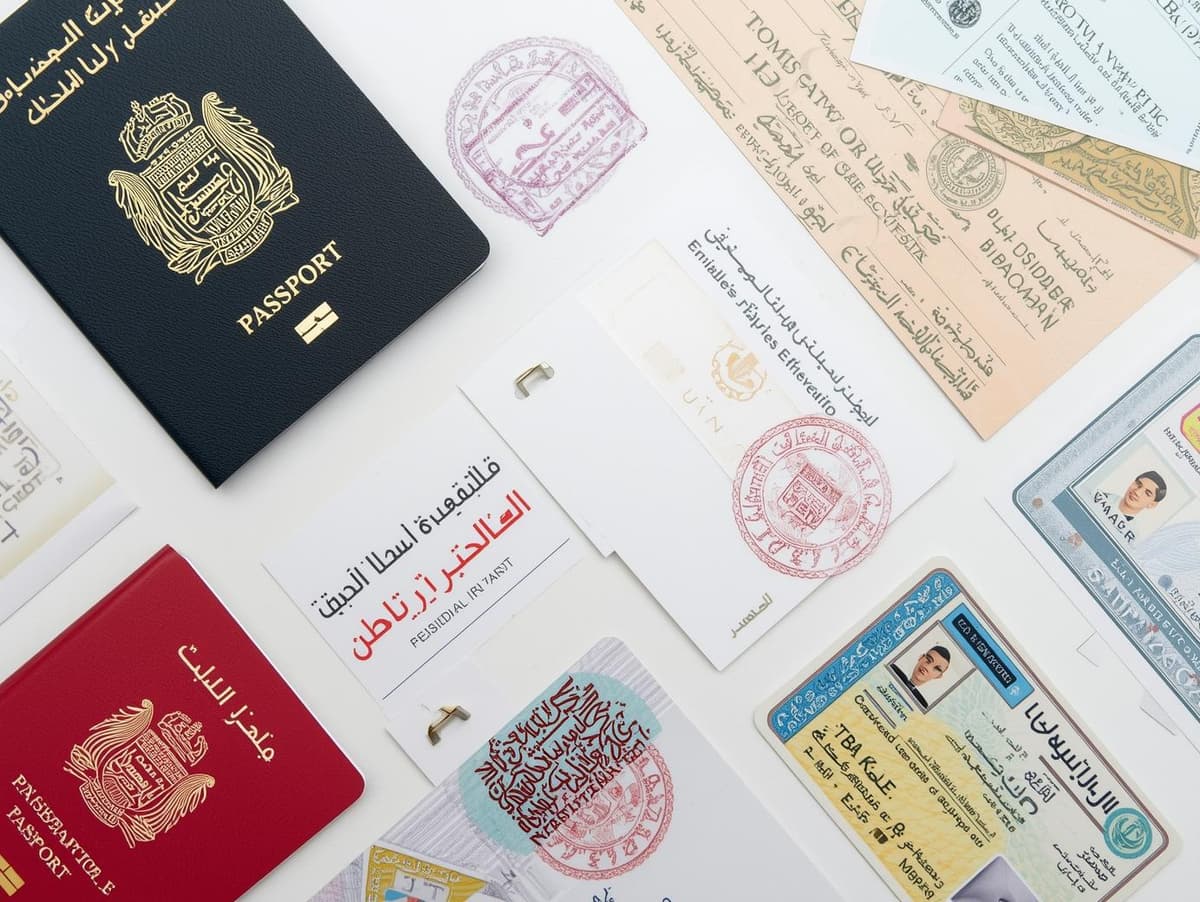
This includes collecting documents like:
- Passport
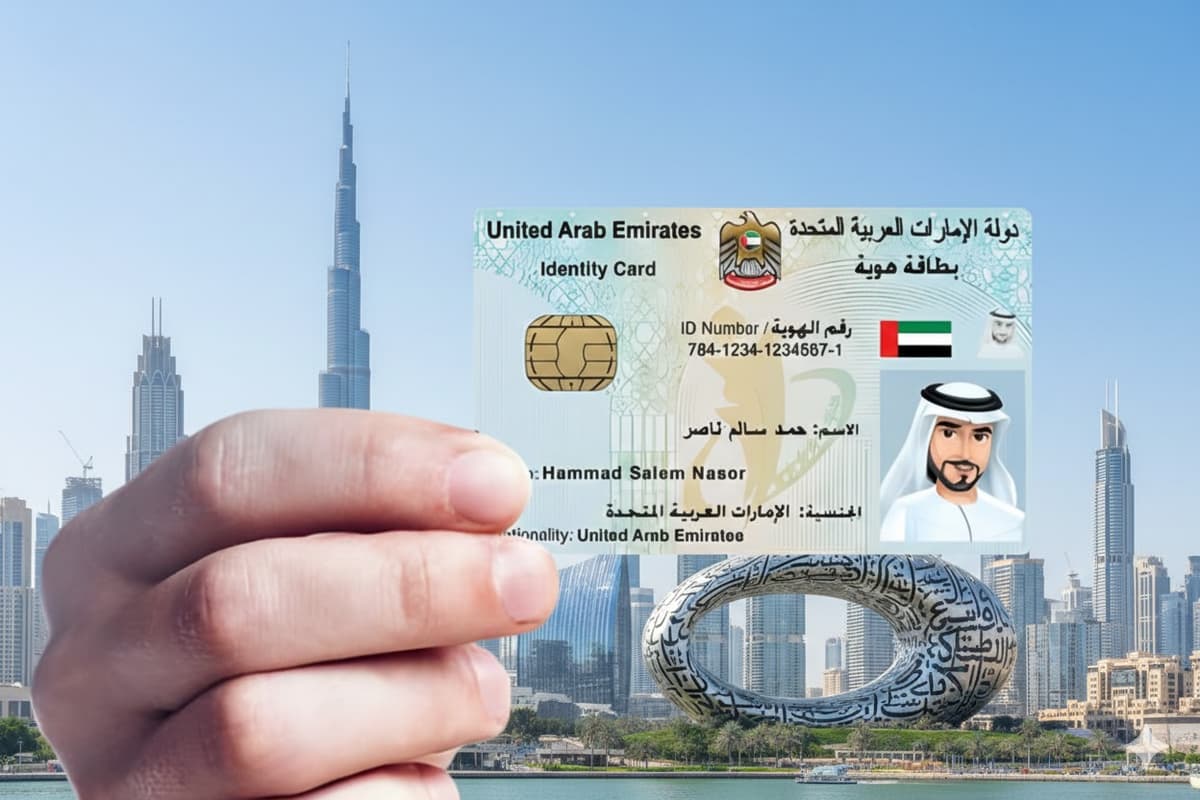
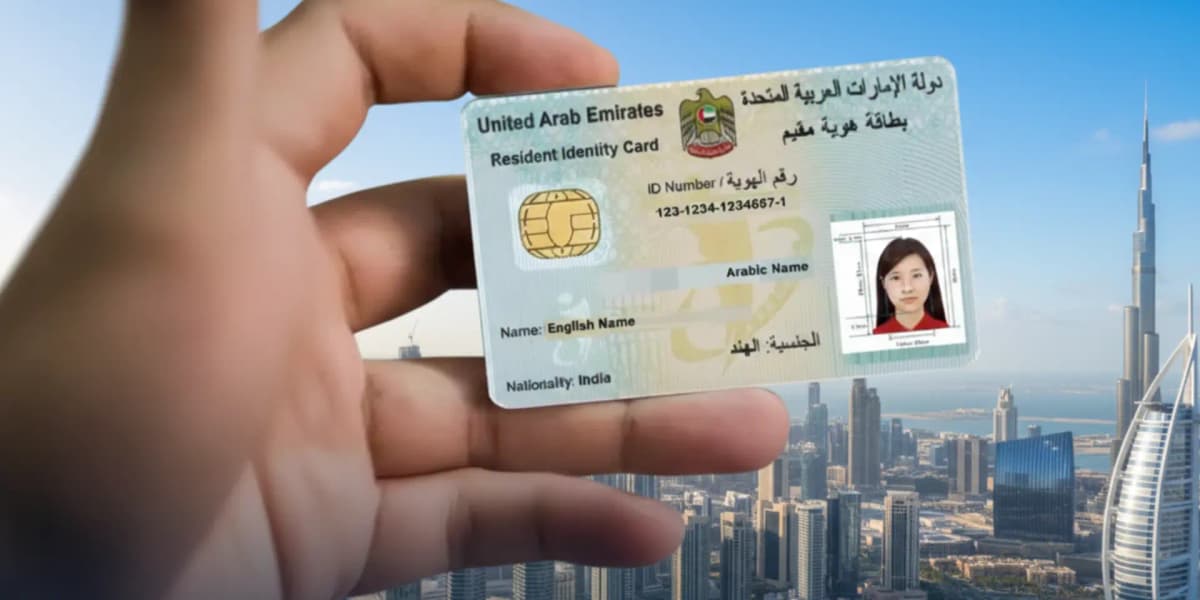
- Emirates ID
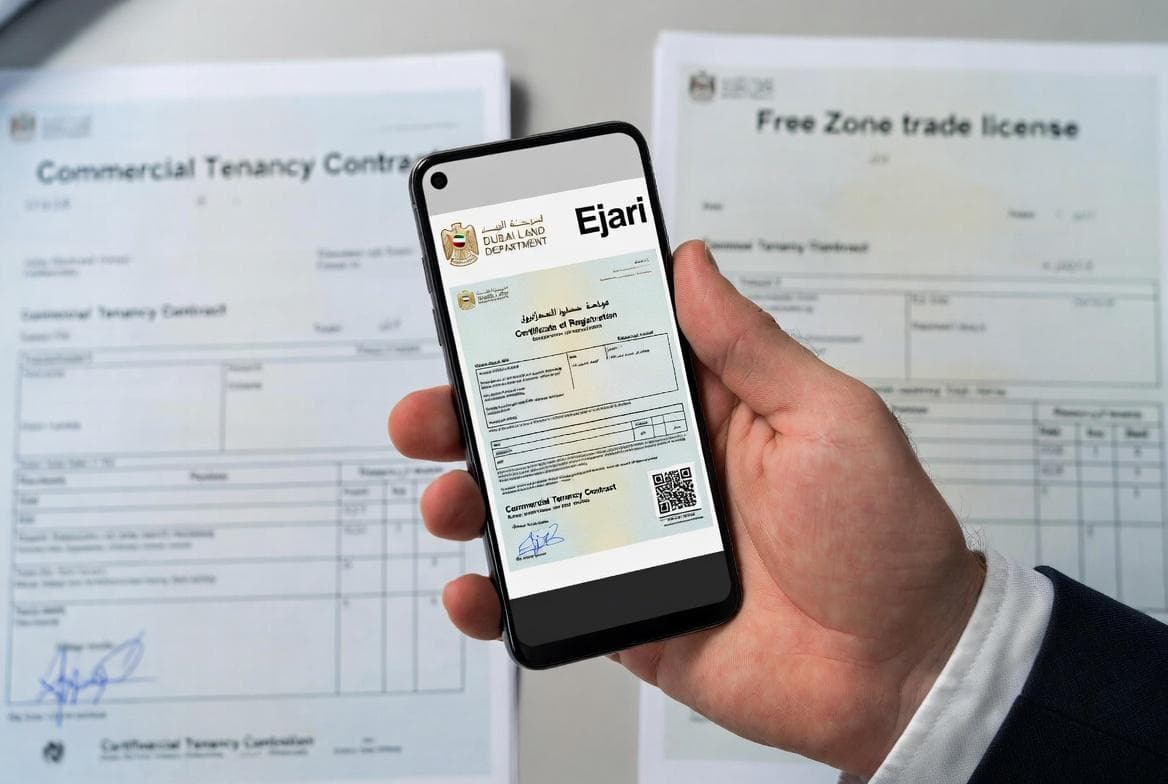
- Trade licence
- Proof of address
Customer Due Diligence (CDD)
You must make sure the customer is safe to work with.
This means checking their background and risk level.
AML Risk Assessment
Some customers or transactions may be high-risk.
You must identify and monitor them carefully.
AML Record Keeping Requirements
You must store customer and transaction records for at least five years.
Transaction Monitoring
You must watch for unusual or suspicious activity.
Reporting Suspicious Transactions
If something looks wrong, you must report it to the UAE Financial Intelligence Unit (FIU).
AML Staff Training
Your team must know how to detect and report suspicious activity.
AML compliance is not a one-time job. It is continuous.
Penalties for AML Non-Compliance in the UAE
The UAE has strict penalties for businesses that ignore AML laws.
These penalties can seriously damage a company.
Penalties include:
- Heavy fines (AED 50,000 to AED 5 million)
- Licence suspension
- Business closure
- Criminal charges
- Travel bans
- Blacklisting
Businesses can also reduce compliance risks by seeking professional Commercial Financial Services tailored to UAE regulatory requirements.
AML compliance protects your business from these risks.
Step-by-Step AML Compliance Process for UAE Businesses
Step 1: Identify Your AML Obligations
Understand which AML rules apply to your business.
Step 2: Create an AML Policy
Write a clear policy explaining how your business will follow AML rules.
Step 3: Verify Customer Identity (KYC)
Collect and check customer documents before onboarding.
Step 4: Monitor Transactions
Watch for unusual or suspicious activity.
Step 5: Report Suspicious Activity
Submit STR (Suspicious Transaction Reports) to the FIU when needed.
Step 6: Train Your Staff
Make sure employees understand AML rules.
Step 7: Keep Records
Store customer and transaction data for at least five years.
Step 8: Review Your AML System Regularly
Update your AML policy as laws change.
How Biz Growth Consultancy Supports AML Compliance
AML compliance can be confusing, especially for new businesses.
Biz Growth Consultancy makes the entire process simple, clear, and stress-free.
Biz Growth helps you with:
- Understanding which AML rules apply to your business
- Creating AML & KYC policies
- Setting up customer verification systems
- Preparing risk assessment frameworks
- Training your staff
- Appointing an AML Compliance Officer
- Filing suspicious transaction reports
- Meeting Ministry of Economy requirements
- Avoiding fines and penalties
- Staying updated with new AML laws
We make sure your business is fully compliant, protected, and ready to operate safely in the UAE.
Conclusion
AML compliance in the UAE is essential for any business that deals with money, customers, or financial transactions. It protects your company, your customers, and the entire UAE economy. With strong AML laws, the UAE remains a safe, trusted, and respected global business hub.
Whether you run a trading company, real estate firm, crypto business, or professional service, AML compliance is not optional, it is mandatory.
Frequently Asked Questions About AML Compliance in the UAE
1. What does AML mean in the UAE?
AML means Anti-Money Laundering — laws that stop criminals from hiding illegal money.
2. Why is AML important in the UAE?
It protects the country from fraud, crime, and terrorism financing.
3. Who must follow AML rules?
Banks, real estate companies, gold traders, accountants, lawyers, crypto firms, and many financial businesses.
4. What is KYC in AML?
KYC means "Know Your Customer" by checking who your customer really is.
5. What is Customer Due Diligence (CDD)?
It is the process of making sure a customer is safe to work with.
6. What happens if a business ignores AML laws?
They can face heavy fines, licence suspension, or even criminal charges.
7. What is a Suspicious Transaction Report (STR)?
It is a report sent to the UAE FIU when a business sees unusual or risky activity.
8. How long must businesses keep AML records?
At least five years.
9. Do employees need AML training?
Yes. Staff must know how to detect and report suspicious activity.
10. Who helps businesses stay AML compliant?
Compliance officers, consultants, and firms like Biz Growth Consultancy.

























































%20(1).png&w=1200&q=75)